
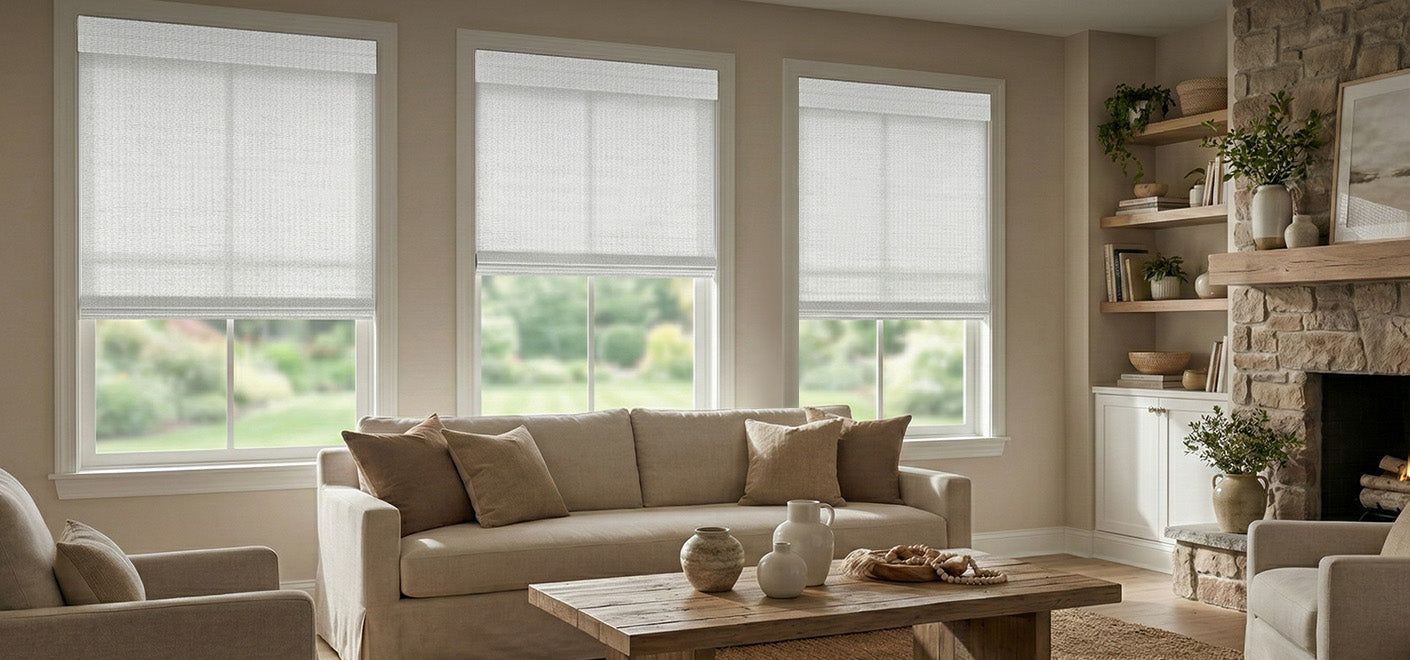

Choosing a smart curtain brand isn't about finding the most recognized name—it's about identifying which brands deliver reliable performance, genuine compatibility, and long-term value for your specific automation needs.
The smart curtain market includes everything from established automation companies to rebranded generic motors with minimal smart home integration.
This guide focuses on how to evaluate brands based on what actually matters: connection reliability, product quality, and real-world compatibility.
The 5 Key Dimensions for Evaluating Smart Curtain Brands
1. Platform Compatibility: Beyond Marketing Claims
Many brands claim "works with Alexa" or "HomeKit compatible," but the quality of integration varies dramatically.
What to Look For:
Direct Integration vs Bridge-Dependent
Does the brand require additional hubs or bridges?
Are you connecting through a third-party platform?
Is the integration native or community-maintained?
Multi-Platform Support
Can the same motor work with Apple Home, Alexa, and Google simultaneously?
Is switching between platforms possible without replacing hardware?
Future-Proofing
Does the brand support emerging standards like Matter?
Are firmware updates provided to add new platform support?
SmartWings Example:
Matter protocol support means one motor works with Apple Home, Alexa, and Google Home simultaneously. Matter motors require Thread Border Router (such as HomePod mini or Apple TV) for local control.
Cross-platform flexibility: If you switch from iPhone to Android, SmartWings Matter curtains remain compatible—control them through Google Home or Alexa app instead.
You'll lose access to Apple Home app but gain equivalent functionality on your new platform.
Red Flags:
"Compatible with [platform] via third-party hub" (adds complexity)
Platform support requires subscription services
-
Limited to one ecosystem with no cross-platform options

2. Product Range: Complete Solutions vs Single Products
Brands offering complete product lines indicate serious commitment to the smart curtain market.
Comprehensive Brands Provide:
Multiple curtain types (roller shades, cellular shades, outdoor shades)
Various motor options (battery, hardwired, different protocols)
Specialty window solutions (skylights, angled windows, large spans)
Consistent control experience across all products
Why This Matters:
You can use one app for all windows
Automation works consistently across rooms
Installation and troubleshooting knowledge transfers between products
SmartWings Product Coverage:
Roller Shades: Blackout, light filtering, sunscreen ($159.99-$209.99)
Cellular Shades: Energy-efficient options ($179-$559)
Outdoor Shades: Weather-resistant with windproof versions ($199-$448.99)
Specialty shapes: Skylights, arched, trapezoid windows
All use compatible motor platforms and consistent control systems—bedroom roller shades and living room cellular shades operate through the same automation framework.
Red Flags:
Brand only offers one or two products
No specialty window support
-
Different products use incompatible control systems

3. Customization and Installation Support
Window treatments are inherently non-standard. Quality brands recognize this.
Strong Brands Provide:
Custom sizing options
Detailed measurement guides
Clear installation instructions
Support for DIY and professional installation
Measurement and Installation Resources:
Comprehensive guides for standard windows
Specific guidance for special shapes (arched, angled, skylights)
Video tutorials or support channels
SmartWings Customization Approach:
Custom sizing support across product lines
For custom sizing needs, contact SmartWings team for support
Detailed guides: Standard windows and specialty shapes
Direct manufacturer support for measurement questions
Professional installation partnerships available
Red Flags:
Only standard sizes available
Vague measurement instructions
No installation support
Custom sizing adds 50%+ to base price

4. Long-Term Reliability and Support
Initial functionality means nothing if the system fails after six months.
Reliability Indicators:
Warranty Coverage
How many years?
What's covered (motor, fabric, installation)?
Is warranty honored reliably?
Firmware and Software Updates
Does the brand provide updates?
Are updates reliable or do they break functionality?
Is there a history of abandoning products?
Customer Support Quality
Responsive technical support
Replacement parts availability
Clear troubleshooting resources
Company Stability
Established brand with track record
Clear business model (not fly-by-night)
Active product development
SmartWings Reliability Indicators:
3-year warranty coverage on motors and components
Rechargeable battery systems (4-6 month charge cycles)
Direct manufacturer customer support
Ongoing firmware updates for feature additions and platform compatibility
Red Flags:
Warranty under 1 year
No firmware update history
Poor customer service reviews
-
Company recently entered market with no prior automation experience
5. Motor Quality and Performance
The motor determines daily experience quality.
Performance Factors:
Noise Level
Bedroom motors should operate under 45dB
Check actual user reports, not just specifications
Smoothness and Precision
Does motor start and stop smoothly?
Can it hold intermediate positions reliably?
Is there jerking or stuttering?
Battery Life (for battery-powered)
Real-world charge cycles (not lab conditions)
Battery replacement cost and availability
Charging convenience
Size Range
Maximum window size supported
Performance with heavy fabrics
Multiple shades on one motor capability
SmartWings Motor Performance:
Quiet operation suitable for bedrooms
Smooth start/stop without jerking
Battery-powered options: 4-6 month charge cycles with rechargeable lithium batteries
-
Multiple power options: battery, hardwired, PoE for different installation scenarios
Common Brand Traps to Avoid
Trap 1: "Budget-Friendly" Brands with Hidden Costs
Initial Appeal:
Significantly cheaper than established brands
Seemingly similar features
Hidden Problems:
Requires brand-specific proprietary hub (additional $50-100)
Subscription for advanced features
Custom sizing doubles the price
No multi-platform support
Poor motor quality requires replacement within 2 years
Total Cost Reality:
Year 1: Base price + proprietary hub + custom sizing + subscription = not actually cheaper
Year 2: Motor replacement + new subscription = significantly more expensive
Trap 2: Feature-Rich Brands with Poor Integration
Initial Appeal:
Long feature lists
Multiple connectivity options listed
Reality:
Features work individually but not together
Platform integrations require complex setup
Frequent disconnections
Updates break existing functionality
No cohesive system experience
Result: You spend more time troubleshooting than using automation.
Trap 3: Platform-Exclusive Brands
Initial Appeal:
"Designed for Apple Home" or similar claims
Seamless integration marketing
Long-Term Problems:
Locked into one ecosystem
Can't add other platforms later
If you switch ecosystems, hardware becomes useless
Limited to platform's feature set
Better Approach: Brands supporting multiple platforms (especially Matter) provide flexibility without sacrifice.
Trap 4: Rebranded Generic Motors
How to Identify:
Same product appears under multiple brand names
No company website or minimal information
Only available through marketplaces
No direct customer support
Generic documentation
Problems:
No accountability
Inconsistent quality between batches
No firmware updates
Support disappears if brand changes names
Long-Term Cost Analysis: Why Initial Price Misleads
Smart curtains are a 5-10 year investment. Initial price tells only part of the story.
True Cost Factors:
Year 1 Costs
Product price
Custom sizing fees (if applicable)
Required hub cost (universal hub vs proprietary hub)
Professional installation (if needed)
Setup time value
Ongoing Costs
Battery replacements or electricity
Subscription fees for features
Hub replacements or upgrades
Support costs
Replacement Costs
Motor failures within warranty period
Out-of-warranty motor replacement
Complete system replacement if brand exits market
Opportunity Costs
Time spent troubleshooting
Inability to expand system
Migration to different brand later
Example Comparison:
Budget Brand with Proprietary Hub |
Quality Brand (SmartWings Example) |
|
Initial |
$89 per window |
$159 per window (includes motor and custom sizing support) |
Proprietary hub required |
$79 |
Uses universal hub you may already own |
Custom sizing |
+$40 |
/ |
Motor replacement (Year 2) |
$89 |
/ |
5-Year Total |
$297 + frustration |
$159 + reliability |

How to Verify Brand Claims
Don't rely solely on marketing. Verify these claims independently:
Platform Compatibility
Check platform's official integrations list (Apple Home, Alexa, Google)
Read actual user reviews on compatibility
Test return policy in case integration doesn't work
Smart Home Protocol Support
Verify Matter certification (if claimed) through CSA certification database
Check which protocol version is supported
Confirm whether Thread or Wi-Fi implementation
Quality and Reliability
Read long-term user reviews (6+ months of use)
Check return and warranty claim experiences
Look for patterns in failure modes
Company Legitimacy
Company website with real contact information
Established presence (not just marketplace seller)
Product documentation quality
Active customer support channels
Practical Brand Selection Framework
Step 1: Define Your Requirements
Which smart home platform(s) do you use?
How many windows need automation?
What's your total budget (including 5-year costs)?
Do you need specialty window support?
Step 2: Shortlist Brands
Meet platform compatibility requirements
Offer needed curtain types
Provide custom sizing support
Have positive long-term reviews
Step 3: Evaluate Long-Term Value
Calculate 5-year total cost
Assess company stability
Review warranty and support quality
Check expandability options
Step 4: Verify Integration Quality
Read platform-specific reviews
Check official compatibility listings
Understand setup complexity
Confirm automation capabilities
Step 5: Start Small, Then Expand
Order for 1-2 critical windows first
Test integration and reliability
Verify automation works as expected
Expand to remaining windows once confirmed
When Brand Doesn't Matter (and When It Does)
Brand Matters Less When:
You're using a comprehensive smart home controller that normalizes different brands
You have technical expertise to troubleshoot issues
You're comfortable with complex setups
Brand Matters Most When:
You want plug-and-play experience
You're automating many windows
You need long-term reliability without maintenance
You value consistent behavior across all windows
For most users, brand choice significantly impacts experience quality.
Choose Brands Based on Long-Term Value, Not Initial Features
The best smart curtain brand for home automation delivers reliable integration with your platforms, offers complete product coverage for your windows, provides quality motors with good warranty support, and maintains reasonable long-term costs.
Focus on brands with proven track records, genuine multi-platform support (especially Matter), comprehensive product lines, and transparent pricing. Avoid brands requiring brand-specific proprietary hubs, charging for custom sizing, or locking you into single ecosystems.
SmartWings exemplifies these principles through Matter protocol support, complete product range ($159.99-$559), 3-year warranty coverage, and compatibility with universal hubs you may already own—delivering long-term value through reliability rather than marketing claims.
Common Questions About Smart Curtain Brands
Q: Do all smart curtain brands work with HomeKit?
SmartWings Matter motors work with Apple Home when paired with HomePod mini or Apple TV as Thread Border Router.
Q: Should I avoid brands that require a hub?
Not necessarily. Distinguish between universal hubs (HomePod mini, SmartThings hub) that work across brands vs brand-specific proprietary hubs that only work with one manufacturer. Universal hubs are fine if you already own them.
Q: How do I know if a brand will still be supported in 5 years?
Check: established company presence, active firmware updates, warranty length, user community size, and Matter protocol support (future-proof standard).
Q: Are expensive brands always better?
Not always. Evaluate based on the 5 dimensions (platform compatibility, product range, customization, reliability, motor quality) rather than price alone. Some mid-tier brands outperform expensive options.
Q: Can I mix brands across different windows?
Technically yes, but automation complexity increases. Better to standardize on one brand with universal hub support for consistent experience.
Q: Which brand should I choose for my first smart curtain?
Start with established brands offering Matter protocol (like SmartWings), comprehensive product lines, and good warranty coverage. Test with 1-2 windows before full deployment.


