
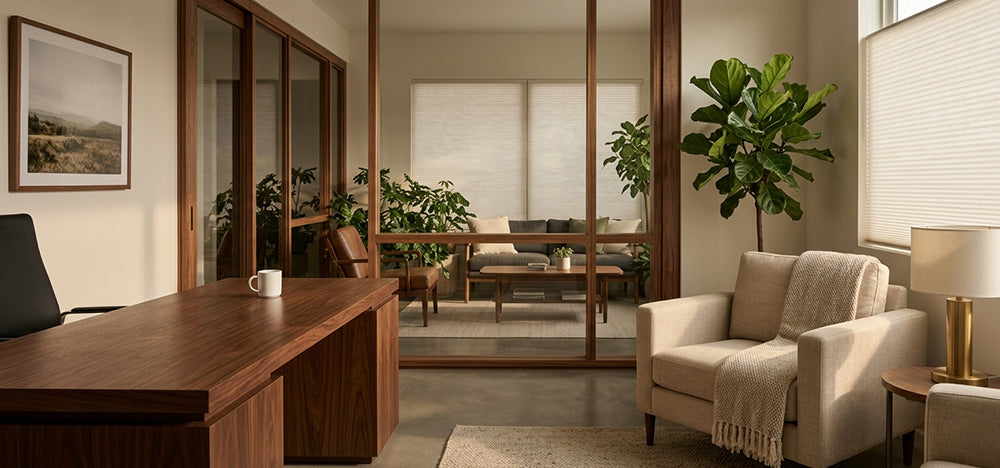

As homeowners become more focused on comfort, energy efficiency, and smarter living, window treatments are no longer just a design choice—they are a functional part of how a home performs.
Among all window covering options, cellular shades have gained strong attention for their ability to improve insulation while maintaining a clean, modern look. But as soon as you start exploring them, one question quickly appears: should you choose single cell or double cell cellular shades?
At first glance, they may look similar. However, the internal structure changes how they perform in real-life conditions, especially when it comes to temperature control, energy savings, and everyday comfort.
Understanding this difference is the key to choosing the right solution for your home.
Why This Comparison Matters
When choosing cellular shades, most people focus on color, fabric, or light control. But one of the most important decisions happens beneath the surface: the structure.
Should you choose single cell or double cell cellular shades?
This choice directly affects how your shades perform—not just visually, but functionally. It influences how well your home stays cool in the summer, warm in the winter, and even how quiet your space feels.
If you’re looking for more than just a decorative window covering, understanding this difference is essential.
What Are Cellular Shades?
Before comparing single cell and double cell options, it helps to first understand what cellular shades actually are.
Also known as honeycomb cellular shades, they are designed with a unique internal structure made of air pockets that resemble a honeycomb. These pockets trap air, creating a natural insulation layer between your window and your room. This structure helps reduce heat transfer, improve energy efficiency, and enhance overall indoor comfort.
Compared to traditional blinds or curtains, cellular window shades are specifically engineered for performance. They can help regulate temperature, soften incoming light, and even reduce outside noise, depending on the fabric and construction.
If you’d like a deeper overview of how they work, available styles, and how to choose the right option for your home, you can also refer to our Cellular Shades Buying Guide for a more detailed breakdown.
Single Cell vs Double Cell: What’s the Difference?
The main difference comes down to the number of layers in the honeycomb structure.
Single Cell Cellular Shades
Single cell shades feature one layer of air pockets.
This design keeps the shade lightweight and simple. It provides a clean appearance and delivers a basic level of insulation.
Single cell shades are often a good choice for:
- Homes in mild climates
- Smaller windows
- Spaces where insulation is helpful, but not critical
They offer an efficient upgrade over traditional window coverings without adding bulk.
Double Cell Cellular Shades
Double cell shades are built with two layers of honeycomb pockets stacked together.
This added layer creates more trapped air, which improves insulation and overall performance.
Double cell shades are ideal for:
- Homes in hot or cold climates
- Large windows with more exposure
- Homeowners focused on energy savings
While they are slightly thicker, the difference in performance is noticeable, especially in rooms that receive strong sunlight.
A Quick Side-by-Side Comparison
Single cell shades provide moderate insulation and a lighter profile, making them suitable for everyday use in less demanding environments.
Double cell shades, on the other hand, offer enhanced insulation and better energy efficiency, making them a stronger choice for long-term performance and comfort.

How Structure Impacts Performance
The number of cells in the shade directly affects how it performs in your home.
Energy Efficiency and Insulation
Cellular shades work by trapping air. Since air is a natural insulator, this slows down heat transfer between the window and your living space.
Single cell shades create one barrier. Double cell shades create two.
This means double cell shades are better at:
- Keeping heat out during the summer
- Retaining warmth during the winter
- Reducing the workload on your HVAC system
Over time, this can contribute to lower energy costs and a more stable indoor environment.
Noise Reduction
Another benefit of cellular shades is their ability to absorb sound.
Single cell shades provide a basic level of noise reduction. Double cell shades, with their additional layer, offer improved sound dampening.
This can make a noticeable difference in:
- Bedrooms
- Apartments or urban homes
- Rooms facing busy streets
Light Control and Comfort
Both single and double cell shades are available in light filtering and blackout options.
Light filtering fabrics allow soft daylight into the room while reducing glare. Blackout cellular shades provide maximum privacy and block most incoming light.
Double cell structures often create a tighter seal, which can enhance both light blocking and thermal performance.
Which One Should You Choose?
The right option depends on your priorities.
If you want a lightweight, cost-effective solution that still improves comfort, single cell cellular shades are a solid choice.
If your focus is on energy efficiency, insulation, and long-term performance, double cell cellular shades offer a clear advantage.
For many homeowners, especially those dealing with strong sun exposure or temperature fluctuations, double cell shades are the better investment.
Where Cellular Shades Work Best in Your Home
One of the strengths of cellular shades is their versatility. They can be used throughout the home, but some spaces benefit more than others.
Bedrooms are a natural fit, especially when using blackout cellular shades for better sleep and temperature control.
Living rooms benefit from light filtering shades that balance natural light with comfort.
Windows that face south or west tend to receive the most sunlight. These areas often experience the highest heat gain, making them ideal for cellular shades.
Large windows and open spaces also benefit, as the insulating effect becomes more noticeable across bigger surfaces.
A Smarter Approach with SmartWings Cellular Shades
For homeowners looking to go beyond basic functionality, SmartWings offers a more advanced approach to cellular shades.
SmartWings cellular shades are designed to combine insulation with modern convenience. They are available in both single cell and double cell structures, allowing you to choose the level of performance that fits your home.
Customization plays a key role. Each shade is made to fit your window precisely, helping reduce gaps and improve insulation.
You can also choose between:
- Light filtering fabrics for everyday living spaces
- Blackout cellular window shades for bedrooms and privacy
For added convenience, SmartWings offers motorized cellular shades that integrate into smart home systems.
This allows you to:
- Schedule shades to open and close throughout the day
- Reduce heat gain during peak sunlight hours
- Maintain a more consistent indoor temperature without constant adjustments
By combining thoughtful design with automation, SmartWings cellular shades help create a home that is both more comfortable and more energy efficient.
Conclusion
When comparing single cell vs double cell cellular shades, the difference comes down to performance.
Single cell shades offer a clean, lightweight solution with moderate insulation. Double cell shades provide stronger insulation, better energy efficiency, and improved comfort.
Both options are effective, but if your goal is to create a more energy-efficient home, double cell cellular shades are the more powerful choice.
No matter which you choose, cellular shades remain one of the most practical ways to improve comfort, reduce energy use, and enhance your living space.
Frequently Asked Questions
1. Are double cell cellular shades worth it?
Yes. They provide better insulation and can improve energy efficiency, especially in homes with significant temperature changes.
2. Do single cell shades still help with energy savings?
They do. While not as effective as double cell designs, they still offer improved insulation compared to traditional window coverings.
3. Do cellular shades reduce noise?
Yes. Their structure helps absorb sound. Double cell shades offer a higher level of noise reduction.
4. Are cellular shades suitable for every room?
Yes. They can be used throughout the home, with different fabrics and configurations tailored to each space.
5. Are cellular shades better than regular blinds?
Yes. Compared to traditional blinds, cellular shades provide significantly better insulation because of their honeycomb structure. While blinds mainly control light, cellular shades help reduce heat transfer, improve energy efficiency, and create a more comfortable indoor environment year-round.


