

When considering ways to enhance your home with natural light, skylights and roof windows are two popular options. However, they’re often confused because they both serve similar purposes—bringing light into your space. But choosing the right one can be tricky!
In this article, we’ll clarify the key differences between skylights and roof windows, highlight their benefits and drawbacks, and provide a guide to help you decide which one is best for your home. Whether you’re renovating an attic, looking to brighten a dark room, or trying to improve energy efficiency, understanding these differences is essential. Let’s dive in and break it all down for you!
Skylights: Key Features and Benefits
What is a Skylight?
Skylights are windows installed in the roof to allow natural light into a room. Typically, skylights are fixed, meaning they don’t open, but there are vented options that can be opened to provide ventilation. They’re most commonly installed on flat or low-pitched roofs and are great for brightening up spaces like bathrooms, hallways, and even kitchens.
Benefits of Skylights
Increased Natural Light: The primary benefit of a skylight is the added natural light it brings to otherwise dark rooms. This helps reduce your reliance on artificial lighting, cutting down on energy costs.
Energy Efficiency and Cost Savings: Some skylights come with double glazing or other energy-efficient features that can help with insulation, keeping your home cooler in the summer and warmer in the winter.
-
Design Flexibility: Skylights are available in various styles—fixed, tubular, and vented—offering design versatility. For example, tubular skylights are ideal for smaller spaces and hard-to-reach areas, while vented skylights allow for both light and fresh air.
Common Issues with Skylights
Potential for Leaks: If not installed properly or maintained over time, skylights can develop leaks, especially around the seals. This can lead to water damage.
- Maintenance and Cleaning: Skylights, especially larger ones, can be difficult to clean, requiring regular maintenance to avoid dirt build-up that can block sunlight.
Roof Windows: Key Features and Benefits
What is a Roof Window?
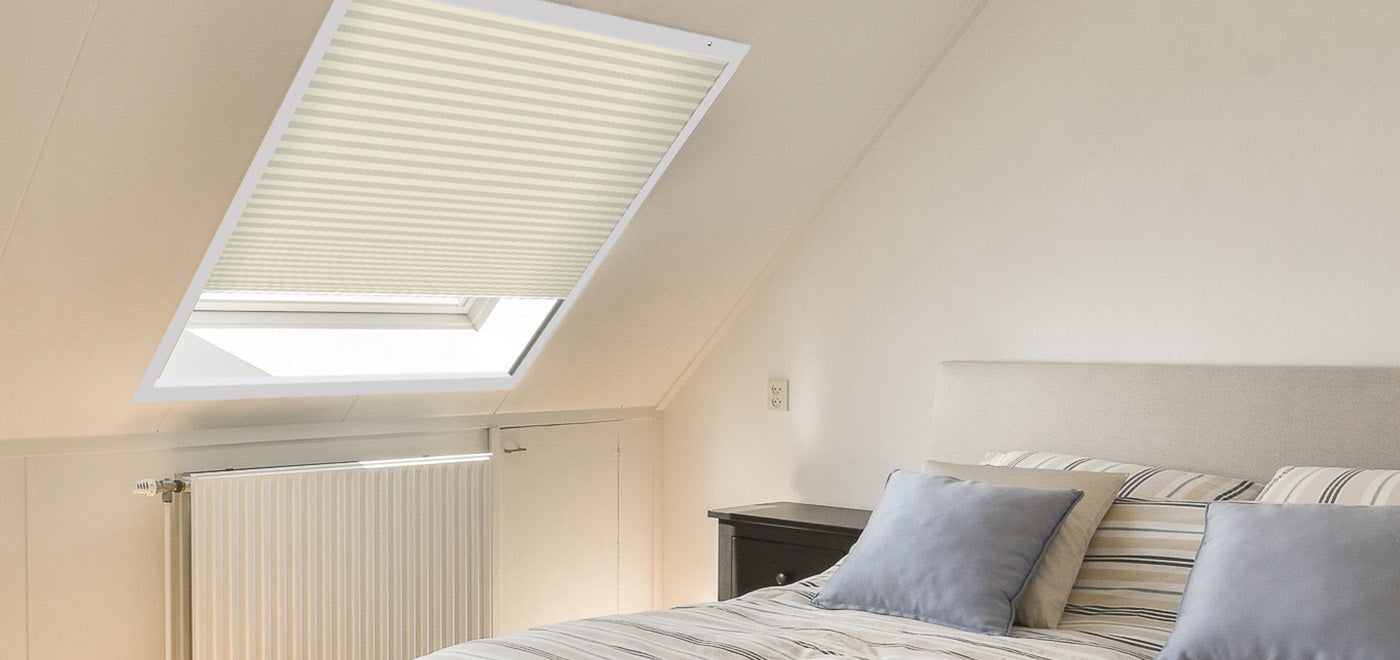
Roof windows are similar to skylights but are typically larger and can be opened for ventilation. Installed on sloped roofs, roof windows are perfect for attic conversions or upper floors. They offer a more traditional window feel but with the benefits of being installed directly into the roofline.
Benefits of Roof Windows
Better Ventilation and Airflow: Roof windows are often operable, allowing them to be opened to admit fresh air. This can significantly improve air circulation and reduce the need for mechanical ventilation in rooms like attics.
- Improved Accessibility for Cleaning and Maintenance: Because roof windows open, they’re generally easier to clean compared to fixed skylights. Some models even feature a window that tilts for easier access.
Common Issues with Roof Windows
Installation Complexity: Installing roof windows can be more complicated than installing skylights. They require the roof to be at the proper angle, and retrofitting an existing roof may be challenging and more expensive.
- Higher Initial Costs: Due to their larger size and operable features, roof windows tend to have higher upfront costs compared to standard skylights. However, the increased ventilation and airflow they provide may justify the higher price.
Roof Window vs Skylight Quick Reference Table
Feature |
Skylight |
Roof Window |
Installation Location |
Flat or low-pitched roofs |
Sloped roofs, attics |
Ventilation |
Fixed or vented |
Vented, operable |
Energy Efficiency |
Energy-efficient models available |
Energy-efficient models available |
Ease of Maintenance |
More difficult to clean |
Easier to clean and maintain |
|
Initial Cost |
Generally more affordable |
Higher due to size and complexity |
|
Best For |
Small, dark spaces |
Attic conversions and upper floors |
Key Differences Between Skylights and Roof Windows
Functionality and Design
Skylights are designed primarily to bring in natural light. They tend to be smaller and are often fixed. Roof windows, on the other hand, are usually larger and can be opened, providing both light and ventilation. Roof windows also have a more traditional window look, which some people may prefer for aesthetic reasons.
Installation Considerations
Skylights are easier to install, especially in homes with flat or low-pitched roofs. Roof windows, however, require a sloped roof, which makes installation more complex and can increase the cost if you’re retrofitting an existing roof. If you’re considering an attic conversion, roof windows may be a better option for both light and ventilation.
Energy Efficiency
Both skylights and roof windows can be energy-efficient, depending on the glazing used. However, roof windows are often better at providing insulation due to their larger size and ability to be sealed tightly. Skylights can be energy-efficient too, but they may need additional features like blinds or tints to regulate temperature and light.
Which One is Right for Your Home?
Consider Your Roof Type
If you have a flat roof, skylights are generally your best option. For sloped roofs, roof windows will fit better and offer enhanced functionality, especially for attic conversions or upper-floor spaces.
Assessing Your Needs for Light and Ventilation
Do you need extra light, or are you looking to improve ventilation? Skylights are excellent for bringing in light to dark spaces, but don’t provide much airflow. Roof windows are ideal for both light and ventilation, making them an excellent choice for rooms that need better airflow.
Budget and Installation
If you’re working within a tight budget and have a flat roof, skylights are usually the more affordable option. However, if you want better ventilation and you’re willing to invest in a more complex installation, roof windows may be worth the extra cost.
Upgrade Your Skylight with Smart Motorized Shades
Elevate your space with Smartwings motorized skylight shades—controlled by remote, smartphone, or voice via Apple HomeKit, Amazon Alexa, and Google Assistant. Designed for both flat and sloped skylights and compatible with most standard-shaped roof windows, they’re easy to fit and effortless to use. Honeycomb fabrics boost insulation with light-filtering, blackout, and Day & Night options. For hard-to-reach openings, solar-powered models deliver convenient, sustainable operation.
Enhance your skylights with Smartwings' motorized shades, controlled by remote, smartphone, or voice commands via Apple HomeKit, Amazon Alexa, and Google Assistant. These energy-efficient shades feature honeycomb fabrics for insulation, with levitate and Day & Night options. Solar-powered versions are available for hard-to-reach skylights, offering convenience and sustainability.
Conclusion: Making the Right Choice
In conclusion, whether you choose a skylight or roof window depends mainly on your home’s roof type, the amount of light and ventilation you need, and your budget. Skylights are a great choice for simple installations and natural light, while roof windows provide extra ventilation and are ideal for attics or upper floors. Consider the points above to help make the best decision for your home.
FAQs
Can skylights be opened?
Yes, some skylights are vented and can be opened to allow fresh air in, though many skylights are fixed.
How long do skylights and roof windows last?
With proper maintenance, both skylights and roof windows can last 20-30 years. Regular cleaning and checking for leaks or seal issues will help extend their lifespan.
Are Skylights Prone to Leaking?
Modern skylights with professional installation are much less likely to leak. Proper flashing around the skylight directs water away, and regular roof inspections help maintain leak-free performance.
Can I Put Blinds or Shades on a Skylight?
Yes, skylight-specific blinds and shades are available in light-filtering, levitate, day/night, and blackout options. They can be manually or remotely operated, adding light control and extra insulation for improved energy efficiency.


