
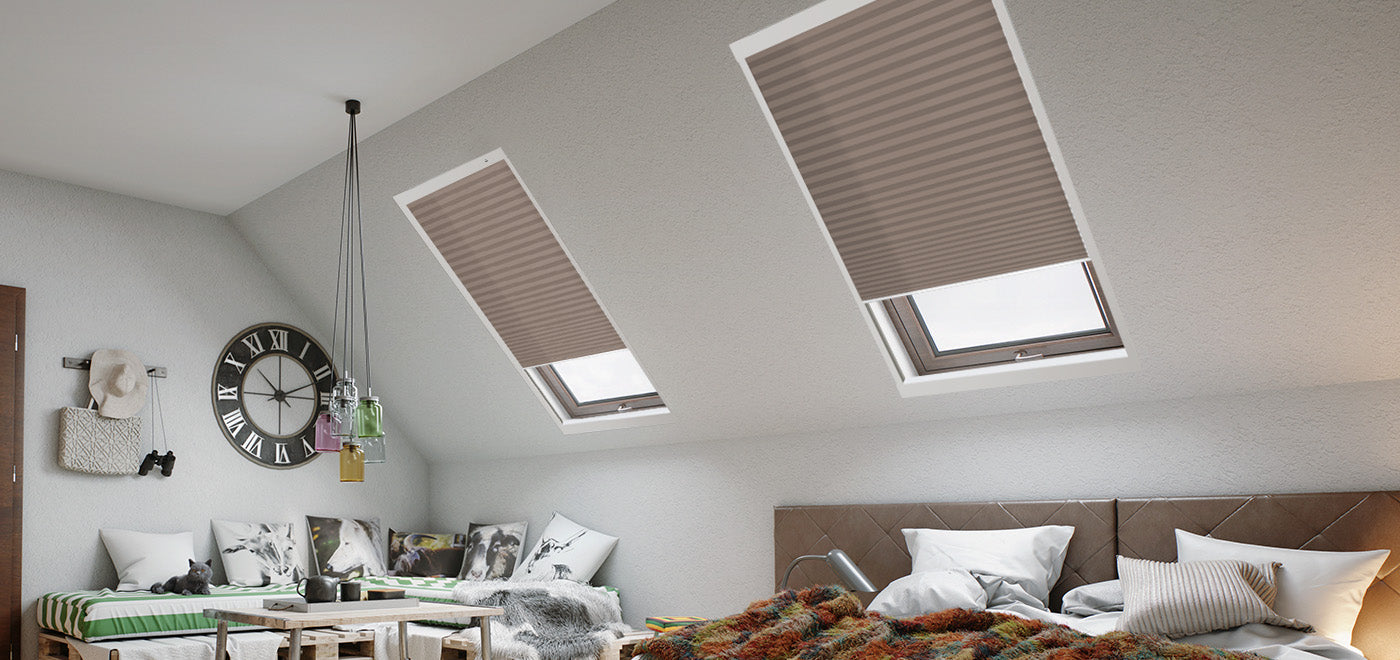

Skylights can transform a space by bringing in natural light, but they also present their own set of challenges, particularly in terms of heat, glare, and privacy. These concerns have led many homeowners to consider skylight shades as a potential solution. If you’re wondering whether skylight shades are worth the investment, you’re not alone. In this article, we’ll dive into what skylight shades are, their benefits, and help you decide if they’re the right choice for your home.
To start, let's look at the basic trade-off:
Feature |
Skylight Without a Shade |
Skylight With a Shade |
Light |
Uncontrolled, often harsh |
Diffused, filtered, or blocked |
Temperature |
Prone to major heat gain (summer) & heat loss (winter) |
Greatly improved insulation & temperature stability |
UV Rays |
Full exposure, causing fading |
Blocks 99%+ of damaging UV rays |
Comfort |
Can create glare and hotspots |
Significantly reduced glare; more consistent comfort |
|
Cost |
No upfront cost |
Initial purchase and installation cost |
What Are Skylight Shades?
At their simplest, skylight shades are window treatments specifically designed to fit and operate on skylights, which are often angled or high up. Unlike standard window blinds, they are built to function horizontally or at an angle without sagging, typically running along side tracks or using tension cords.
Types of Skylight Shades
Skylight shades are available in several types to match different preferences and needs:
Manual Skylight Shades: These are the most basic option, which you operate by hand. They’re cost-effective but can be a hassle if your skylight is hard to reach.
Motorized Skylight Shades: For ease of use, these shades can be adjusted at the touch of a button, making them ideal for hard-to-reach skylights.
How Skylight Shades Work
Skylight shades work by controlling the amount of light that comes through the skylight, as well as managing temperature and glare. Depending on the material and design, they can block UV rays, help insulate your home, and provide a level of privacy. For example, motorized shades can be set on a timer to open and close automatically, adjusting the light and temperature in the room throughout the day.
The Key Benefits of Skylight Shades
So, what do you actually get for your money? The benefits go far beyond just covering a window.
Light Control and Glare Reduction
This is the most immediate benefit. If your skylight turns your living room into a "no-go zone" from 2-4 PM, or if the glare makes it impossible to watch TV or work on a laptop, a shade is a game-changer. You can fine-tune the light, transforming that harsh beam into a soft, pleasant glow.
Energy Efficiency and Temperature Regulation
This is where the "worth it" calculation really shines. Skylights are simply holes in your home's insulation.
In the Summer: The sun beats down, causing "solar heat gain." Your room heats up like a greenhouse, forcing your air conditioner to work overtime. A shade can block a significant portion of this solar heat.
In the Winter: Heat rises. A skylight (especially an older one) is a prime spot for all that expensive, heated air to escape. An insulating cellular shade adds a critical layer of protection, trapping the warmth inside and lowering your heating bills.
While the exact savings vary, a high-quality insulating shade can significantly reduce the energy load on your HVAC system, helping the shade pay for itself over time.
Protecting Furniture and Interiors
That same sunlight you love is also slowly destroying your belongings. UV rays are the primary cause of fading. Over time, they bleach hardwood floors, fade expensive rugs and upholstery, and damage artwork. A skylight shade acts as a shield, blocking up to 99% of those UV rays and preserving the life and color of your interiors.
Improved Comfort and Privacy
Finally, shades just make your room more comfortable and usable. You get to decide the light level and the mood. And for skylights in bedrooms or bathrooms, privacy is a non-negotiable. A shade provides instant peace of mind, allowing you to enjoy the light on your terms without feeling exposed.
A Smart Solution for Your Skylights
Speaking of convenient motorized options, SmartWings has become a leader for tech-savvy homeowners. They specialize in motorized skylight shades, particularly energy-efficient cellular options, that solve the "out-of-reach" problem.
Our shades can be battery-powered or solar-panel (so you don't need to run wires) and fully integrated with most smart-home systems, Various motors are available and can be chosen based on your requirements. When coupled with a suitable hub, they interact with Alexa, Google Assistant, SmartThings, and Apple HomeKit, making it simple to make routines or manage numerous shades at once.If you're investing in a motorized solution, they are a prime example of the high-tech convenience now available.
Conclusion
Skylight shades can offer a range of benefits, from improved light control and energy efficiency to protecting your furniture and enhancing privacy. However, they may not be necessary for every home. It’s important to evaluate your specific needs, budget, and the characteristics of your skylight before making a decision. Ultimately, if you’re looking for a solution to manage light, temperature, and glare, skylight shades are definitely worth considering.
Frequently Asked Questions
How do I clean skylight shades?
To clean skylight shades, use a soft cloth or a vacuum with a brush attachment to remove dust. For fabric shades, gently spot clean with mild detergent and water. Avoid harsh chemicals to protect the material.
How do I measure for a skylight shade?
To measure for a skylight shade, click here How To Measure Windows For Shades. Take measurements at multiple points to ensure accuracy, especially for angled or irregularly shaped skylights.
How long do skylight shades last?
Skylight shades typically last between 5 to 10 years, depending on the material and usage. Regular maintenance and cleaning can help extend their lifespan.


